



<link rel="stylesheet" href="https://53.fs1.hubspotusercontent-na1.net/hubfs/53/hub_generated/template_assets/1/207928094053/1774526404639/template_footer-core-non-critical.min.css">

Free Framework

From Corporate to Chaos: How Brands Decide How to Sound on Social

This framework helps social teams identify where their brand sits today, what’s realistically possible next, and what conditions need to change before pushing the voice further.

Explore HubSpot's AI-Powered Marketing Software, designed to help you attract, convert, and engage high-intent visitors.

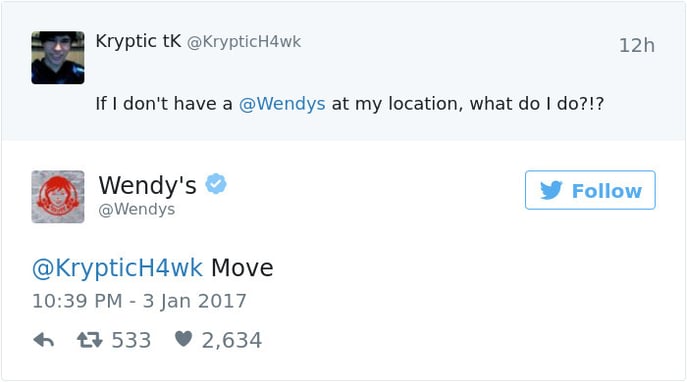
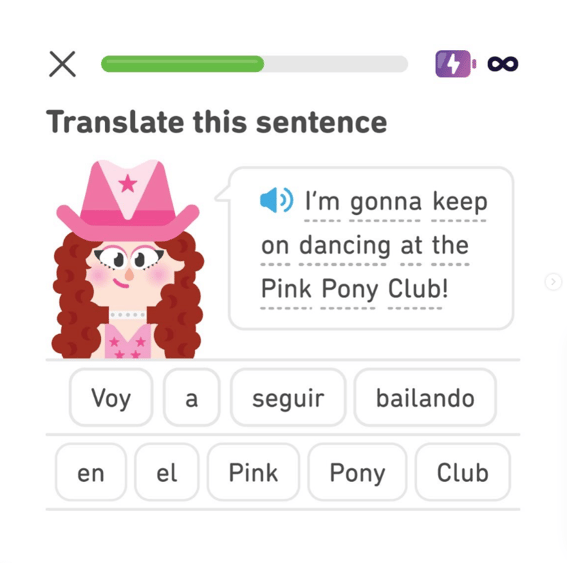
The internet is obsessed with bold, often unhinged brand voices. Duolingo's chaotic owl, Wendy's roasts on X, Ryanair's self-deprecating TikToks: these are the examples that flood every “how to win at social” article.

But most brands shouldn't sound like this, and most social media professionals already know that. They just don't have the language to explain why or the tools to push back when an executive asks, “Why can't we do something like Duolingo?”

That's where the Brand Voice Spectrum comes in, a framework for making social voice decisions based on goals, governance, and risk tolerance, instead of trends, personal preference, or what your CMO’s nephew finds funny. But how do you figure out where your brand belongs on the spectrum and get organizational support to operate there?

This framework helps social media professionals develop an authentic brand voice that resonates with their audience and drives meaningful engagement across digital channels.


I'm Tameka Bazile, a social strategist and creator working at the intersection of corporate media and the creator economy.My work spans leading social strategy inside major organizations and building a six-figure creator business of my own, giving me visibility into both how brands want to show up and how audiences actually experience them. I’ve watched brands lose credibility by moving faster than their trust allows, and others stall by playing it too safe.This framework exists to help teams navigate that tension intentionally, evolving brand voice with clarity, restraint, and respect for the audience.

Why listen to me?

What the Brand Voice Spectrum is and Why it Matters

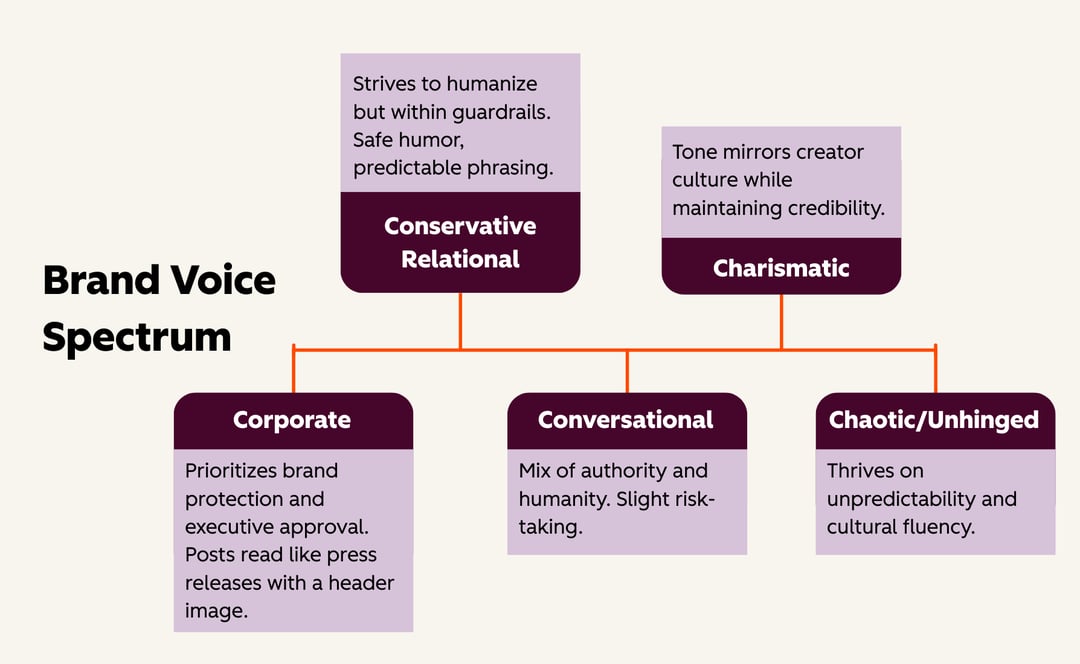
The Brand Voice Spectrum is a five-point framework that maps where a brand's social voice should fall, from formal and institutional on one end to irreverent and chaotic on the other, and the considerations needed to effectively decide what makes the most sense for your brand.


brand voice spectrum

Each position comes with different business requirements, audience expectations, and organizational trade-offs. For example, a voice that thrives in Charismatic demands trust and autonomy most teams haven't earned yet, whereas a voice stuck at Corporate might be protected, but it's also invisible. Understanding where you sit—and where you could realistically move—is the foundation for any meaningful voice strategy.

Let's break down the five archetypes, starting from the most formal.


The Brand Voice Spectrum

Corporate Conservative Relational Conversational Charismatic Chaotic/Unhinged
Voice Description

Polished, cautious, data-driven. Prioritizes authority over relatability.

Professional but warm. Real people and stories, carefully reviewed.
Plain language, confident, audience-first. Human without trying to be cool.
Bold, witty, culturally aware. Sharp POV, humor as commentary.
Meme-first, absurd, self-aware. Often mascot-driven.
Business Examples

McKinsey, Deloitte, Harvard Business Review
LinkedIn, American Express, Salesforce
Mailchimp, 
HubSpot, 
Headspace, Grammarly’s TikTok
Spotify, Wendy's, Ryanair’s LinkedIn
Duolingo, Ryanair’s TikTok, Liquid Death, Pop-Tarts
Strength

Trust and credibility
Emotional trust
Clarity and consistency
Differentiation
Cultural relevance
Risk

Sterility and irrelevance
Playing it safe too long
Blending in
Over-indexing on attention
Brand erosion
Brand voice spectrum
McKinsey&Co_LinkedIn

One

Corporate (Formal / Institutional)

What it is: Corporate voice is polished, cautious, and data-driven. Content reads like thought leadership or press releases, with bulletproof phrasing, zero cultural references, and strong internal governance shaping every word. Brands here prioritize authority over relatability; they're not trying to be your friend, they're trying to be your trusted source.

Where you’ll find it: brands like McKinsey & Company, Deloitte, and Harvard Business Review all operate in this space. They lean into long-form thought leadership, minimal emoji use, and data- or quote-led graphics. Think Deloitte's “Future of Work” posts or McKinsey's industry reports.

Primary strength: trust and credibility. When your brand speaks, people believe you.

Primary risk: sterility and low resonance. Your audience respects you but doesn't necessarily feel connected to you. Over time, this position carries the highest risk of irrelevance as social platforms increasingly reward personality and authenticity.
SalesforceTrailblazer

Two

Conservative Relational (Professional Warmth)

What it is: Conservative Relational voice is professional but warm. Brands here feature real people, customer stories, and community moments but everything still goes through careful review. Value-driven messaging comes naturally. Humor is rare and subtle, but the overall effect is emotionally resonant without ever feeling loose or unpolished.

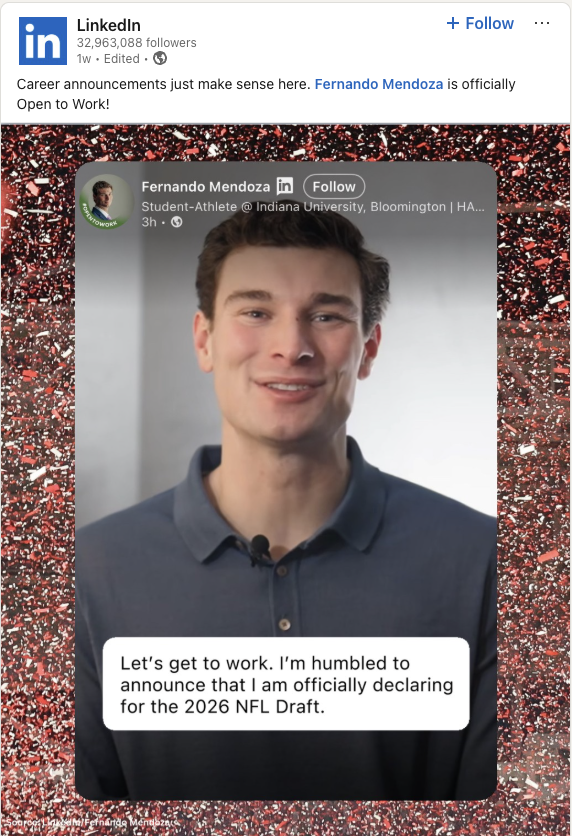
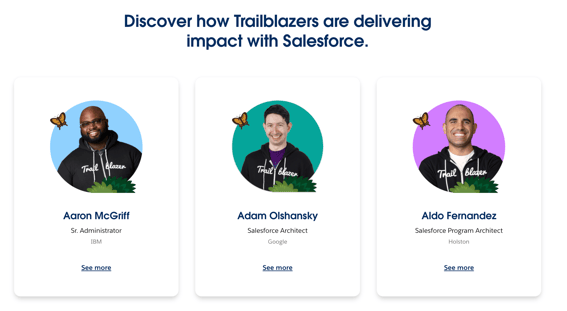
Where you’ll find it: brands like LinkedIn, American Express, and Salesforce operate in this space. Think AmEx's small business spotlight campaigns or Salesforce's “Trailblazer” stories. If your content features real people and genuine emotion but still goes through a careful approval process, you're likely here.

Primary strength: emotional trust. Your audience feels something when they engage with your content.

Primary risk: playing it too safe for too long. Conservative Relational is comfortable, and comfort can become a trap. Brands here often struggle to break through algorithmically because their content, while solid, doesn't generate strong reactions.

"Approve ‘Voice Zones’—the range of tones your team can use—not individual posts."

Tameka
Tameka Bazile

Social Strategist and Creator

HubspotIG

Three

Conversational (Balanced & Relatable)

What it is: Conversational voice is plain language, confident, and audience-first. It feels human without trying to be “cool”, like the friend-of-a-friend you don't mind being around. Brands here optimize for engagement and retention, speaking like a helpful peer where education and connection carry equal weight. Content performs without shock value.

Where you’ll find it: companies like Mailchimp, HubSpot, Headspace, and Grammarly all live in this space, mixing authority and humanity with occasional, intentional risk-taking. They produce relatable, platform-native content like text carousels, expert interviews, and short-form video. HubSpot's quick tips on creator marketing and Mailchimp's witty but informative carousels are prime examples.
HubspotIG

This is where I believe most brands should probably live and, in my experience, the smartest option for long-term strategy. Conversational gives you room to be human and engaging without requiring the organizational agility or risk tolerance that the higher end of the spectrum demands.

Primary strength: clarity and consistency. Your audience genuinely likes your brand and looks forward to your content.

Primary risk: blending in. If your point of view isn't sharp enough, a Conversational brand voice can become forgettable. You're pleasant but not always memorable.
Tameka's brand voice spectrum decision tree

Find out where your brand currently sits on the Brand Voice Spectrum — and whether you should shift positions.

Your brand doesn’t need to be "unhinged." It needs to be honest. This Brand Voice Spectrum Decision Tree helps you figure out where your brand actually belongs — not where Twitter says you should be.

Download the framework and stop forcing a voice your org can’t support.

4. Charismatic (Playful & Confident)

What it is: Charismatic voice is bold, witty, and culturally fluent. This is a brand with a sharp point of view and loud personality and isn’t afraid to share it. Humor here functions as commentary, not a gimmick.

Brands operating at this level tend to have real autonomy on their social teams, participate in culture intentionally rather than reactively, and have audiences that expect—and reward—unapologetic wit.

Where you’ll find it: brands like Spotify, Wendy's, and Ryanair (on LinkedIn, though not TikTok) demonstrate this brand voice well. You'll see confident cultural references, in-jokes, and high-engagement formats. Spotify's “Wrapped” posts and Wendy's legendary presence on X are textbook examples. The tone mirrors creator culture while maintaining credibility.

Primary strength: differentiation. In a sea of sameness, your brand really stands out.

Primary risk: over-indexing on attention. It's easy to start chasing engagement metrics at the expense of brand equity, so remember that a Charismatic brand voice only works when there's substance beneath the style.

Wendys
DuoLingo

Five

Chaotic/Unhinged (Irreverent & Deeply Online)

What it is: chaotic voice is meme-first, absurd, and self-aware, oftentimes with a loud mascot stirring the pot. Unpredictability is the point, which works because these teams have minimal governance, near-complete social team autonomy, and genuine comfort with volatility. The mascot isn't accidental either; it creates a character to credit or blame, giving the brand plausible distance from the chaos.

Where you’ll see it: brands like Duolingo, Ryanair (on TikTok), Liquid Death, Slim Jim, and Pop-Tarts all operate in this territory. The content is meme-forward with unfiltered humor and self-referential chaos. Duolingo's chaotic skits featuring the owl in absurd situations, Pop-Tarts' unhinged commentary, and Liquid Death's entire brand existence live here.

Primary strength: cultural relevance. When it works, nothing drives engagement like controlled chaos, often leading to frequent virality.

Primary risk: inconsistency and brand erosion. This approach requires exceptional cultural fluency and organizational trust. Without those, Chaotic quickly becomes cringe—or worse, offensive. This position carries the highest threat to brand safety.

Moving Along the Brand Voice Spectrum

Knowing where your brand sits on the Brand Voice Spectrum is only useful if you can do something with it.

The next step is understanding how to move along the spectrum—in either direction—using three interconnected levers: voice, visuals, and governance. Each can be adjusted independently, though they work best together.

One of the most useful tools I’ve found for shifting voice is creating a “Never Say This” list. It works better than most tone and style guides because your team doesn't have to interpret vague descriptions like “use approachable yet professional language.” Instead, they just know that phrases like “leverage synergies“ and “thought leader“ are off the table.

Pro Tip

How Social Teams Actually Use the Brand Voice Spectrum

The Brand Voice Spectrum is only useful if it changes how your team makes decisions and navigates the inevitable tension between creative ambition and organizational rules. Here are six ways I've seen social teams actually put it to work.

Screenshot 2026-02-02 at 4.30.27 PM

See it in Action: LinkedIn’s Brand Evolution

LinkedIn’s brand offers a useful case study in how these levers work together. Over the past several years, they've evolved from Corporate toward Conversational by reducing jargon, incorporating memes about job search culture, and featuring user-generated humor, all without compromising professionalism.

Their voice became more direct and occasionally playful while their visuals shifted toward a more native, less polished style, and governance clearly loosened to allow faster, more responsive content. The transition happened gradually, showcasing how movement along the spectrum works best when it’s strategic and intentional.

The Brand Voice Spectrum Decision Tree

Understanding the spectrum is one thing. Deciding whether your brand should actually shift—and how far—requires honest assessment. The decision tree below walks through six dimensions, each with specific questions to help you evaluate where you are and where you can realistically go. A few principles to keep in mind as you work through it:

The Brand Spectrum Decision Tree Framework

Available

  • Start with business goals, not aspirations. If the goal is trust and credibility, stay Corporate or Conservative Relational. If it's engagement and retention, move toward Conversational. If it's differentiation, explore Charismatic. If the goal is unclear, don't shift at all.
  • Audience permission matters more than brand ambition. Why do people follow you today? Do they engage with you as a brand or as a personality? If they haven't signaled readiness for a different voice, don't jump levels.
  • Voice cannot outpace governance. If your team can't act in real time, you're structurally limited regardless of how creative they are. Be honest about how many approvals a post requires and who owns final decisions.
  • Cultural fluency is non-negotiable for the higher end of the spectrum. Can your team explain why something works culturally? Can they spot irony versus sincerity? Lack of fluency leads to cringe, not connection.
  • Move one level at a time. Confirm that voice guidelines are updated, partners are aligned, leadership understands the change, and success metrics are defined. If any of those aren't in place, pause before proceeding.